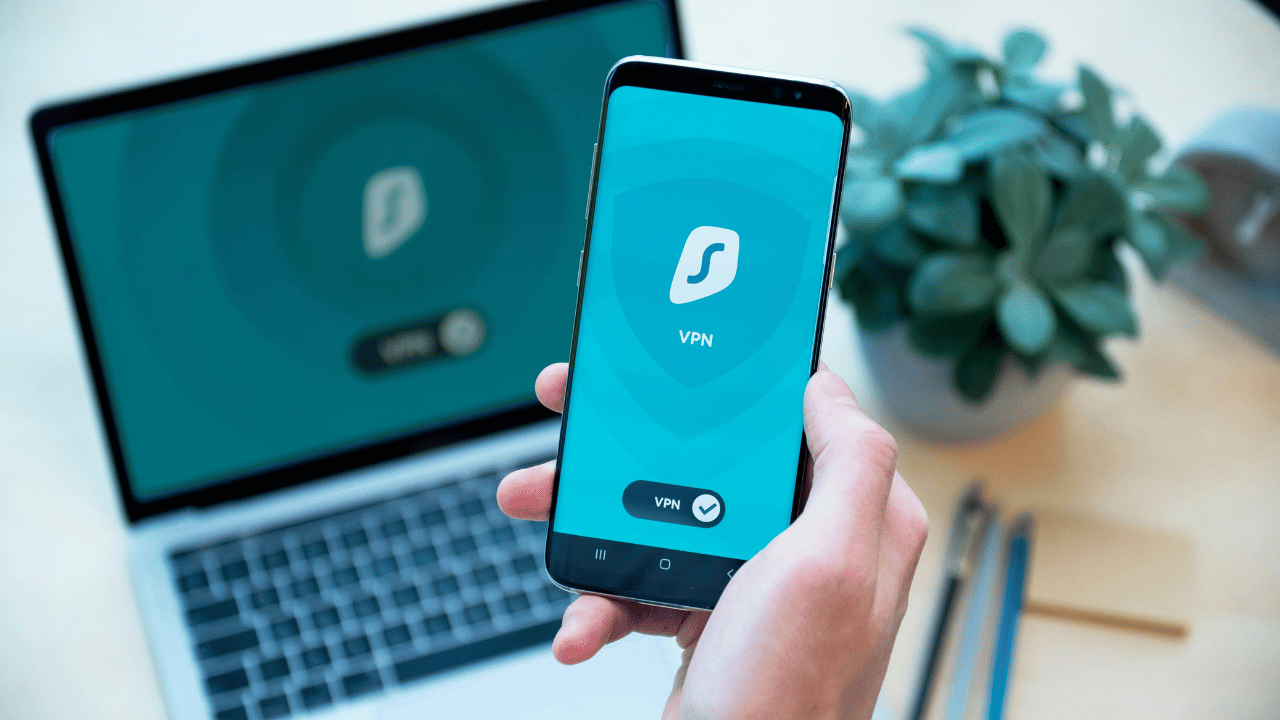
Quick Answer: Yes — but not for the reasons most VPN ads tell you. In 2026, a VPN is genuinely useful for public Wi-Fi protection, bypassing geo-restrictions, and hiding your activity from your ISP. But it will not make you anonymous, it will not protect you from hackers on secure websites, and it will not stop targeted ads on its own. Read on to find out if YOU actually need one.
You cannot watch a YouTube video, listen to a podcast, or scroll social media in 2026 without seeing a VPN ad. “Stay safe online!” “Hackers are watching!” “Your data is being sold right now!” The marketing is loud, urgent, and often misleading.
The honest truth is somewhere in the middle. VPNs are genuinely useful tools — but not for everyone, and not for every situation. This guide cuts through the hype and gives you a straight answer about whether a VPN is worth your money and time in 2026.
What Is a VPN and How Does It Actually Work?
A VPN — Virtual Private Network — does two things:
- Encrypts your internet traffic — scrambles all data leaving your device so nobody between you and the VPN server can read it
- Hides your real IP address — replaces your real location with the VPN server’s IP address, so websites see the server’s location instead of yours
Here is what happens when you use a VPN: instead of your device connecting directly to a website, your traffic first goes to the VPN server (encrypted), and the VPN server then connects to the website on your behalf. The website sees the VPN server’s IP address — not yours.
Think of it like sending a letter through a trusted intermediary. Instead of your return address being on the envelope, the intermediary’s address appears — protecting your real identity and location.
What a VPN does NOT do:
- ❌ Make you completely anonymous online — your VPN provider can still see your traffic
- ❌ Protect you from viruses or malware
- ❌ Stop websites from tracking you via cookies and browser fingerprinting
- ❌ Encrypt traffic that is already encrypted by HTTPS
- ❌ Prevent phishing attacks or social engineering
5 Situations Where You Genuinely Need a VPN in 2026
1. You Use Public Wi-Fi Regularly
This is the single most legitimate reason to use a VPN in 2026. Public Wi-Fi networks in cafes, airports, hotels, and coworking spaces are fundamentally insecure. Anyone on the same network can potentially intercept unencrypted traffic — and in 2026, fake hotspots (evil twin attacks) have become significantly more common.
When you connect your laptop in an airport and open your email, banking app, or work tools over public Wi-Fi without a VPN, your data travels in a form that could potentially be intercepted. A VPN encrypts everything leaving your device — making interception practically useless even if someone is trying.
Who this applies to: Remote workers in cafes, frequent travelers, students using university networks, anyone using hotel Wi-Fi regularly.
2. You Live In or Travel to Countries With Internet Censorship
In 2026, over 70 countries restrict access to specific websites, social media platforms, or news sources. China blocks Google, YouTube, and most Western social media. Russia has blocked thousands of news websites. Several Middle Eastern countries restrict VoIP services like WhatsApp calls.
A VPN allows you to connect through a server in a different country — bypassing these restrictions by making it appear you are browsing from that country. For journalists, travelers, expats, and residents in restricted regions, this is an essential tool.
Important note: VPN use is illegal or heavily restricted in some countries including China, Russia, North Korea, and Iran. Always check local laws before using one.
3. You Want to Access Geo-Restricted Streaming Content
Netflix, BBC iPlayer, Disney+, Hulu, and virtually every major streaming service restricts content by region. A show available in the US might not be accessible in Pakistan, the UK, or Australia — and vice versa.
A VPN lets you connect through a server in the target country, tricking the streaming service into showing you that region’s content library. This is one of the most popular reasons people use VPNs in 2026 — and it genuinely works, though streaming services are increasingly good at detecting and blocking VPN traffic.
Best VPNs for streaming in 2026: NordVPN and ExpressVPN are the most reliable for bypassing streaming geo-blocks. Many free VPNs struggle with this.
4. Your ISP Throttles Your Connection
Internet Service Providers in many countries are known to throttle — deliberately slow down — specific types of traffic. Streaming video, torrenting, and gaming traffic are common targets. Since your ISP can see what kind of traffic you are sending, they can selectively slow it down.
A VPN encrypts your traffic so your ISP cannot identify what type of data you are sending — which means they cannot selectively throttle specific services. Many users report noticeably faster streaming speeds after enabling a VPN, specifically because throttling is removed.
5. You Are Concerned About ISP Data Collection
In many countries — including the US, UK, and Australia — ISPs are legally allowed to collect and sell your browsing data to advertisers. In the US, this was made legal in 2017 and has not changed since. Your ISP knows every website you visit, when you visit it, and for how long.
A VPN prevents your ISP from seeing your browsing activity — they can see that you are connected to a VPN server, but not what you do after that. If this concerns you, a VPN from a provider with a verified no-logs policy is an effective solution.
4 Situations Where a VPN Will NOT Help You
1. Protecting You from Hackers on HTTPS Websites
Here is a common misconception pushed by VPN marketing: that you need a VPN to stay safe when shopping or banking online. In reality, any website with HTTPS (the padlock icon in your browser) already encrypts your connection end-to-end. A VPN adds no meaningful security on top of HTTPS — the connection is already encrypted before the VPN gets involved.
2. Stopping Targeted Ads
Advertising networks track you using cookies, browser fingerprinting, login sessions, and dozens of other techniques — none of which depend on your IP address. Changing your IP address with a VPN does almost nothing to stop Google or Facebook from showing you targeted ads. For ad blocking, a browser extension like uBlock Origin is far more effective.
3. Making You Truly Anonymous
A VPN replaces your ISP’s visibility with your VPN provider’s visibility. Your ISP can no longer see your traffic — but your VPN provider can. If you choose a provider with a weak or unverified no-logs policy, you are simply trusting a different company with your data instead of your ISP. True anonymity requires tools like the Tor browser — a VPN alone is not enough.
4. Protecting You from Phishing or Malware
A VPN does nothing to protect you from clicking a malicious link, downloading infected software, or entering your password on a fake website. For these threats, you need a good antivirus, a password manager, and basic security awareness — not a VPN.
Best VPNs in 2026 — Free and Paid
Paid VPNs in 2026
| VPN | Starting Price | Best For | No-Logs Audit |
|---|---|---|---|
| NordVPN | ~$3.09/month | Best overall — speed + features | ✅ Deloitte (Feb 2026) |
| ExpressVPN | ~$6.67/month | Best for streaming | ✅ KPMG audited |
| Surfshark | ~$2.19/month | Best budget — unlimited devices | ✅ Deloitte audited |
| ProtonVPN | ~$4.99/month | Best for privacy | ✅ Open-source + audited |
| Private Internet Access | ~$2.03/month | Best for power users | ✅ Court-proven no logs |
Best Free VPNs in 2026
Most free VPNs are either dangerously insecure, sell your data to third parties, or are so limited they are barely usable. There are only two genuinely trustworthy free VPNs in 2026:
- ProtonVPN Free — No data limit, no speed cap, no ads, no data selling. Servers in 3 countries. The only truly trustworthy unlimited free VPN in 2026. Made by the team behind ProtonMail.
- Windscribe Free — 10GB per month free, servers in 10 countries. Good for occasional use. Transparent privacy policy.
Avoid free VPNs from unknown providers — many log and sell your browsing data, which is the exact opposite of what a VPN is supposed to do.
Does a VPN Slow Down Your Internet?
Yes — a VPN always adds some overhead because your traffic is being encrypted and routed through an additional server. However, in 2026, the best paid VPNs have minimized this significantly:
- NordVPN with NordLynx protocol: average speed loss of 3 to 8 percent
- ExpressVPN with Lightway protocol: average speed loss of 5 to 10 percent
- Free VPNs: can slow your connection by 50 percent or more due to overcrowded servers
On a fast broadband connection, a 5 to 10 percent speed loss is completely unnoticeable for browsing, streaming, and video calls. On slower connections, it can be more significant.
Is a VPN Legal in 2026?
In most countries, yes — VPNs are completely legal. They are used by millions of businesses and individuals worldwide for legitimate privacy and security purposes.
However, VPN use is illegal or heavily restricted in a small number of countries:
- 🚫 China — Only government-approved VPNs allowed; unauthorized VPNs are blocked and their use can result in fines
- 🚫 Russia — VPNs must register with and comply with government content blocking requirements
- 🚫 North Korea — VPN use is essentially banned for civilians
- 🚫 Iran — Only government-approved VPNs permitted
- ⚠️ UAE — VPNs are legal for businesses; personal use for accessing blocked services can result in fines
Always check local laws before using a VPN when traveling internationally.
Who Should Get a VPN in 2026 — And Who Should Not
✅ You SHOULD get a VPN if:
- You regularly use public Wi-Fi in cafes, airports, or hotels
- You travel internationally and need access to content from home
- You live in or visit countries with internet censorship
- You are concerned about your ISP collecting and selling your browsing data
- You work remotely and need to access company networks securely
- You want to access streaming libraries not available in your region
❌ You Probably Do NOT need a VPN if:
- You only use the internet at home on your own secured network
- Your main concern is stopping targeted ads — uBlock Origin is more effective
- You think it will protect you from viruses — use antivirus software instead
- You want complete anonymity — a VPN alone cannot provide this
- You are on a very tight budget and rarely use public Wi-Fi
Final Verdict
In 2026, a VPN is a genuinely useful privacy tool — but it is not the magical security shield that advertising makes it out to be. It excels at three things: protecting you on public Wi-Fi, hiding your activity from your ISP, and accessing geo-restricted content. It does not make you anonymous, stop malware, or fix the targeted advertising problem.
If you regularly use public Wi-Fi, travel internationally, or care about your ISP not tracking your browsing — a VPN is worth the small monthly cost. Start with ProtonVPN’s free plan to see if it fits your workflow before paying for anything.
If you mostly browse at home on your own secured network and your main concern is security — focus your energy on a good password manager first. Read our guide on the Top 5 Password Managers in 2026 — it will do more for your online security than a VPN in most situations.
Frequently Asked Questions
Do you really need a VPN in 2026?
It depends on how you use the internet. You genuinely need a VPN in 2026 if you regularly use public Wi-Fi, travel to countries with internet censorship, want to hide your browsing from your ISP, or need to access geo-restricted streaming content. If you only browse at home on your own network and your main concern is security from hackers, a VPN adds less value than a good password manager or antivirus.
What does a VPN actually protect you from in 2026?
A VPN protects you from traffic interception on public Wi-Fi, ISP data collection and selling, and some forms of location tracking via IP address. It does not protect you from malware, phishing attacks, cookie-based tracking, browser fingerprinting, or targeted advertising. It also does not make you truly anonymous online.
What is the best free VPN in 2026?
ProtonVPN Free is the best free VPN in 2026. It offers unlimited data with no speed caps, no ads, and no data selling — making it the only genuinely trustworthy unlimited free VPN available. Windscribe Free is a good second option with 10GB per month and servers in 10 countries. Avoid unknown free VPNs as many log and sell your data.
Does a VPN slow down internet speed in 2026?
Yes — a VPN adds some overhead because traffic is encrypted and routed through an extra server. The best paid VPNs in 2026 like NordVPN and ExpressVPN typically slow connections by only 3 to 10 percent using modern protocols like NordLynx and Lightway — unnoticeable on fast broadband. Free VPNs can slow connections by 50 percent or more due to overcrowded servers.
Is a VPN legal in 2026?
Yes — VPNs are legal in most countries including the US, UK, EU, Canada, Australia, and India. They are illegal or heavily restricted in China, Russia, North Korea, and Iran. In the UAE, personal use of VPNs to access blocked services can result in fines. Always check local laws before using a VPN when traveling internationally.
Which is the best VPN in 2026?
NordVPN is the best overall VPN in 2026 — it offers excellent speeds, a verified no-logs policy audited by Deloitte in February 2026, strong security features, and competitive pricing from around $3.09 per month. ExpressVPN is the best for streaming. Surfshark is the best budget option with unlimited device connections. ProtonVPN is the best for privacy-focused users.
Does a VPN stop hackers in 2026?
Partially — a VPN protects you from traffic interception on unsecured public Wi-Fi networks, which is a real threat. However, it does not protect you from malware, phishing websites, data breaches, or targeted attacks against your accounts. For comprehensive protection, combine a VPN with a good antivirus, a password manager, and two-factor authentication on all important accounts.