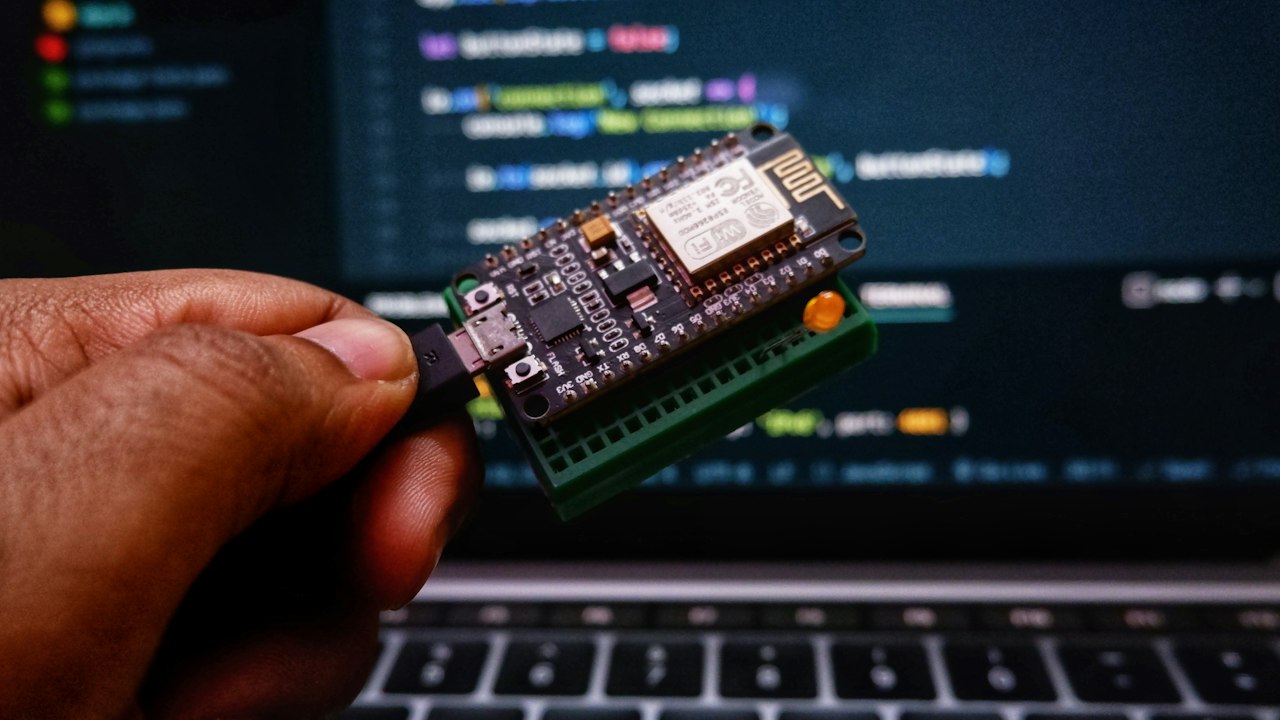
What is the Internet of Things (IoT)? It is a network of everyday physical objects, such as thermostats, watches, cars and factory machines, that have sensors and an internet connection so they can collect and share data. IoT lets these things report what they sense, respond to commands and work together automatically, with little or no human effort.
Key Takeaways
- IoT connects physical objects to the internet so they can collect data, share it and act on it.
- An IoT system has four main parts: sensors, connectivity, data processing and an app or action.
- You probably already own IoT devices, such as a smart speaker, fitness tracker or smart TV.
- IoT saves time, energy and money, but every connected device can also be a security risk.
- Basic habits, like changing default passwords and installing updates, make IoT much safer.
What Is the Internet of Things?
The Internet of Things is a network of physical objects, called things, that are embedded with sensors, software and connectivity so they can exchange data with other devices and with the cloud. A thing can be as simple as a temperature sensor or as complex as a connected car or a hospital machine.
The idea is not new. In 1982, students at Carnegie Mellon University connected a Coca-Cola vending machine to the internet so they could check whether drinks were available and cold. Today, estimates put the number of connected devices in the tens of billions, and the figure keeps growing.
How Does IoT Work?
IoT works by collecting data with sensors, sending it over a network, processing it somewhere and then showing a result or taking an action. The steps run in a loop, often in seconds.

- Sense: sensors in the device measure things like temperature, motion, location or heart rate.
- Connect: the data travels over Wi-Fi, Bluetooth, cellular or another network, sometimes through a gateway that acts as a bridge to the cloud.
- Process: software analyses the data in the cloud or on a nearby edge device and decides what it means.
- Act: the system sends you an alert, updates an app or triggers an action, such as turning on the heating.
For example, a smart thermostat senses a cold room, sends the reading to its app, compares it with your schedule and raises the temperature, all within moments.
What Are the Main Components of an IoT System?
| Component | What it does | Example |
|---|---|---|
| Sensors and devices | Collect data from the physical world | Temperature sensor, camera, GPS tracker |
| Connectivity | Moves the data | Wi-Fi, Bluetooth, 5G, Zigbee |
| Gateway | Bridges devices to the cloud and translates between protocols | Smart home hub, router |
| Cloud or edge platform | Stores and analyses the data | Cloud service or local edge server |
| App or interface | Lets people see data and send commands | Phone app, dashboard |
Some systems process data locally to reduce delay. This is called edge computing, and it works hand in hand with the cloud.
What Are Examples of IoT in Everyday Life?
- Smart homes: thermostats, plugs, bulbs, doorbells and speakers. See our guide to smart home devices worth buying.
- Wearables: fitness trackers and smartwatches that monitor steps, sleep and heart rate.
- Healthcare: connected medical devices and remote patient monitors, often called the Internet of Medical Things.
- Transport: connected cars, fleet tracking and traffic sensors.
- Industry: factory machines that report faults before they break down.
- Agriculture: soil and weather sensors that tell farmers when to water.
- Smart cities: connected streetlights, parking sensors and waste bins.
What Are the Benefits of IoT?
- Convenience: devices handle routine tasks automatically.
- Efficiency: sensors help cut energy, water and maintenance costs.
- Better decisions: data reveals patterns people would miss.
- Safety: alerts warn you about leaks, faults and unusual activity early.
- Remote control: you can monitor and manage things from anywhere.
What Are the Risks of IoT?
The biggest risk is security. Every connected device is another door into your network, and many cheap devices ship with weak default passwords or stop receiving updates. Other concerns include privacy, since devices collect data about your habits, and complexity, because many gadgets from different brands do not always work well together.
How Can You Keep IoT Devices Secure?
- Change default passwords on every device, and use a password manager to keep them unique.
- Turn on two-factor authentication for the accounts that control your devices.
- Install updates or turn on automatic updates.
- Use a guest network for smart devices so they are separated from your computers and phones.
- Secure your router using our guide to protecting your home Wi-Fi from hackers.
- Buy from brands that publish update policies, and avoid unknown no-name devices.
Frequently Asked Questions
What is IoT in simple words?
IoT means everyday objects connected to the internet so they can collect and share data. A smart speaker, a fitness tracker and a connected car are all IoT devices.
What are examples of IoT devices?
Common examples include smart thermostats, smart plugs, video doorbells, smartwatches, connected cars, industrial sensors and medical monitors.
How does IoT work?
IoT devices use sensors to collect data, send it over a network to a cloud or edge system, where software analyses it, and then show you a result or trigger an action.
Is IoT the same as AI?
No. IoT collects data from physical things, while AI analyses data and makes predictions. They are often combined, which is sometimes called AIoT, so that connected devices can make smarter decisions.
Is IoT safe?
IoT can be safe if you change default passwords, install updates, use two-factor authentication and keep devices on a separate network. Weak, unpatched devices are the main risk.
What is the difference between IoT and the internet?
The internet connects computers, phones and servers so people can share information. IoT extends that connection to physical objects, so devices can share data on their own.
Conclusion
The Internet of Things connects everyday objects to the internet so they can sense, share and act on data. It makes homes, factories, hospitals and cities smarter, but it also brings new security and privacy responsibilities. Start with a few useful devices, secure your router and accounts, keep everything updated, and you can enjoy the benefits with far fewer risks.
Related reading: Smart home devices worth buying · What is edge computing? · What is cloud computing? · How to protect your home Wi-Fi from hackers